Shampoo Ingredients That Actually Help Thinning Hair
The shampoo aisle is exhausting. Dozens of bottles promising thicker, fuller, more voluminous hair. Most don’t bother explaining what’s inside or why it might work.
Finding an effective shampoo for thinning hair means knowing which ingredients do something – and which are filler. Not all hair thinning responds to the same approach either. Breakage needs different actives than poor scalp health. Fine hair lacking volume needs something else again.
Some brands combine multiple proven ingredients into single formulas. Ethique’s Strengthening Shampoo pairs rosemary extract and peppermint oil for scalp stimulation with biotin and hydrolysed quinoa protein for strengthening – clinical testing shows it reduces breakage by 70% and delivers 3X volume. Worth knowing what makes that kind of formula effective.
Scalp stimulants
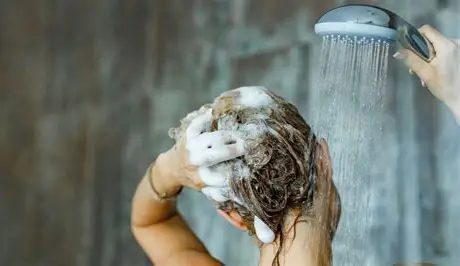
Hair follicles need blood flow. Nutrients travel through blood to reach the follicle, and poor circulation means weaker growth over time. Ingredients that stimulate the scalp support better conditions for hair health – genuine improvement with regular use, just not overnight.
Rosemary oil has the strongest research behind it. Studies show it increases microcirculation to the scalp and may inhibit DHT – the hormone linked to pattern hair loss. One study found rosemary comparable to minoxidil for certain types of thinning, which is notable given minoxidil is an actual hair loss treatment. It also addresses scalp dryness.
Peppermint oil works through menthol increasing blood flow – that cooling, tingling sensation isn’t just for show. Animal studies found it increased follicle depth and supported hair growth. Often paired with rosemary in formulas targeting hair thinning.
Caffeine stimulates hair follicles directly and may counteract testosterone’s suppressive effects on hair. Popular in European formulas. Lab studies show it prolongs the growth phase of the hair cycle.
Shampoos with rosemary and peppermint together cover multiple mechanisms. Solid combination.
Proteins and amino acids
Hair is roughly 90% keratin – a protein. When hair gets damaged from heat, colour, environmental stress, the protein structure develops gaps. Weak spots where snapping happens.
Adding protein back fills those gaps. Stronger strands, less breakage, more hair staying on your head.
Hydrolysed proteins are what to check for. “Hydrolysed” means broken down small enough to penetrate the hair shaft – not just sit on top. Quinoa protein contains all nine essential amino acids, making it particularly effective. Keratin and wheat proteins work similarly.
Biotin – vitamin B7 – supports keratin production. Topical application in shampoo delivers it directly where it’s needed. Strengthening from the outside in.
Amino acid complexes repair damaged sections of the hair shaft, improving elasticity. Hair that bends without breaking.
These active ingredients help most when hair thinning comes from damage rather than follicle issues. Short broken pieces around your hairline? This category matters.
What to avoid
Harsh chemicals like strong sulfates strip natural oils aggressively. Fine for occasional deep cleaning, problematic for daily use on fragile hair. They irritate the scalp, weaken strands, undo what the good ingredients are trying to accomplish. Gentler surfactants clean without the damage.
Heavy silicones build up. Coat the hair shaft – smooth at first, flat and limp eventually. Other active ingredients can’t penetrate through the layer either. Bad news for fine hair.
Rich, heavy formulas marketed as “deeply nourishing” weigh thin hair down. Wrong direction entirely.
What to expect
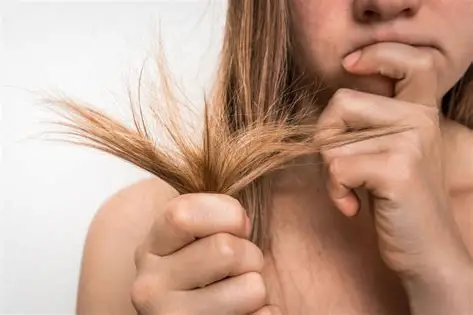
Shampoo can reduce breakage significantly – quality formulas show 50-70% less hair snapping off. Meaningful difference. More hair retained means fuller appearance even without new hair growth.
Volume improvements often happen immediately. Scalp-stimulating ingredients and light formulas can deliver 2-3X volume from the first wash.
Scalp health improvements take four to eight weeks of daily use.
Visible density changes – actually seeing more hair – take three to six months. Patience required.
Shampoo won’t regrow hair from dormant follicles or reverse genetic hair loss. If your hair thinning is hormonal or genetic, it’s supportive care – worth using, but see a dermatologist too.
Choosing the right formula
Breakage as the main issue – split ends, short broken pieces, hair stuck at one length – means proteins matter most. Hydrolysed quinoa, keratin, biotin. Skip the sulfates.
Fine hair that lacks volume needs scalp stimulants instead. Rosemary oil, peppermint, caffeine. Light formula critical.
Most people dealing with hair thinning benefit from both approaches. Formulas combining stimulants and proteins address breakage plus volume plus scalp health at once. Best results come from this multi-ingredient approach.
What to watch out for: vague “thickening complex” with no named ingredients. Heavy formulas wrong for thin hair. No specific claims – just marketing language.
What to seek out: named natural ingredients high on the list. Research-backed actives. Specific percentages from testing. Multiple mechanisms in one bottle.
Making it work
Match the formula to your situation. Give it time – weeks to months, not days. Check what’s actually in it, not what’s promised on the front.
And if thinning is rapid, patchy, or comes with other symptoms, that’s beyond shampoo territory. See a doctor.
-
Bose Headphone Deal: QuietComfort Headphones $169
Bose QuietComfort wireless noise-cancelling headphones are down to $169 on Amazon, compared with a displayed $359 list price. Several colors are showing the discounted price during this limited-time deal.
-
Target Circle Deals: Save Up to 40% Today
Target Circle Deal Days ends October 7 with savings up to 40% across thousands of items. Shop current deals on clothing, beauty, home, toys, Christmas décor and more before the two-day event ends.
-
Abercrombie Kids Sale: Buy One, Get One 50% Off
Abercrombie Kids is offering buy one, get one 50% off almost everything for a limited time. Shop fall clothing, jeans, sweaters, fleece and everyday basics for girls and boys. Business Insider
-
Macy’s Star Deals: Save 40–60% This Week
Macy’s Star Deals Week is bringing 40–60% off across the store plus a new Flash Sale every day. Upcoming offers include up to 60% off home and up to 65% off handbags, accessories and shoes.
-
Nordstrom Sale: Shop Current Designer Markdowns
Nordstrom has current markdowns across women’s clothing, shoes, accessories, beauty, men’s, kids and home. Browse popular and designer brands while discounted sizes and colors are still available.
-
Prime Big Deal Days: Shop Amazon’s October Event
Prime Big Deal Days is bringing Amazon savings across electronics, home, kitchen, beauty, toys, clothing and more. Shop the October event and keep an eye out for limited-time discounts and changing offers.