
Best Rainy Day Activities: Creative Projects Families Can Complete Together
Rain doesn’t have to mean boredom. When the weather forces everyone indoors, it’s an opportunity rather than an obstacle. Families who embrace creative indoor projects discover something valuable: time spent together working toward a common goal strengthens bonds and builds lasting memories.
The challenge of rainy days is real. Kids have energy to burn. Adults feel the pressure to keep everyone entertained. But the solution is simpler than endless screen time or shopping trips. Creative projects offer engagement, learning, and the satisfaction of creating something tangible as a family unit.
Let’s explore activities that transform gray days into productive, enjoyable time together.
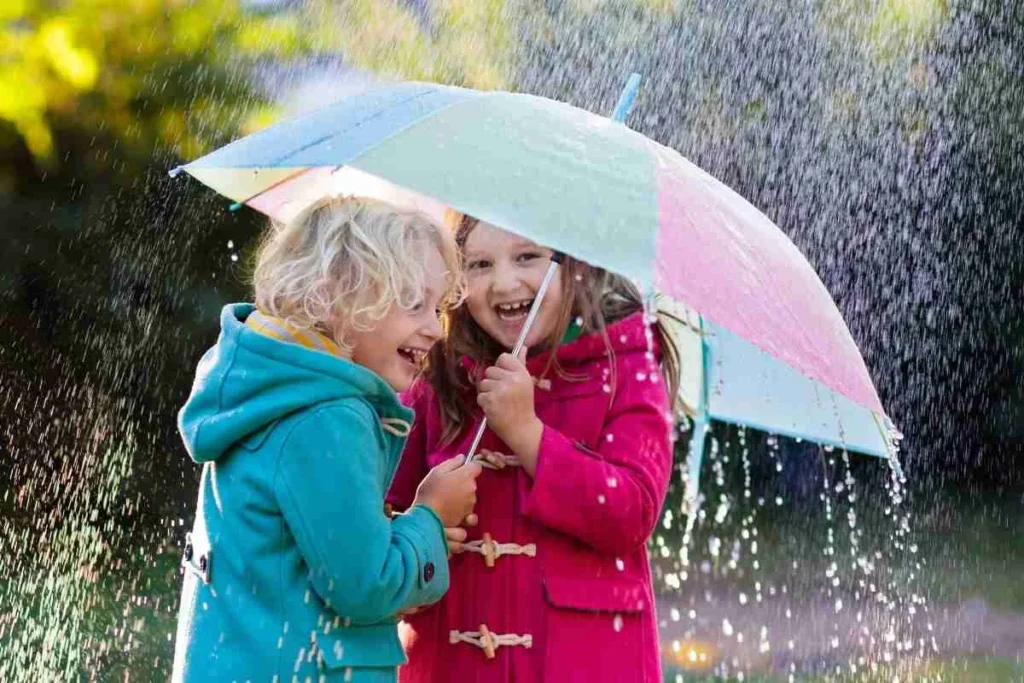
Why Rainy Days Matter More Than You Think
Indoor time isn’t punishment—it’s a gift. When families dedicate attention to creative projects, children develop problem-solving skills. They learn patience. They discover new interests.
Research from the American Psychological Association highlights that creative activities reduce stress and improve mood. For families, working on projects together creates shared accomplishment. The finished product becomes a physical reminder of time spent together.
Rainy days force us to slow down. They eliminate the constant pull of outdoor activities and social obligations. This creates space for genuine connection.
Starting Your Creative Journey
Before diving into specific activities, consider what your family enjoys. Some families prefer hands-on, messy projects. Others lean toward precise, detailed work. Age matters too. Younger children need activities that offer immediate gratification. Older kids enjoy projects with greater complexity.
The best rainy day activities share common features: they’re inclusive, they don’t require expensive materials, and they allow for creativity within structure.
Gather your supplies beforehand. This prevents frustration when inspiration strikes. Keep a designated craft box stocked with basics: paper, markers, scissors, glue, and miscellaneous items that spark creativity.
Painting and Drawing Projects That Inspire
Visual art projects work for nearly every age and skill level. Acrylic painting offers quick results and vibrant colors. Watercolors provide a more meditative experience. Pencil sketching requires minimal setup.
Family art sessions don’t need formal instruction. Put on background music and let creativity flow. The process matters more than the product.
Consider collaborative canvases where each family member contributes to one piece. Create individual portraits of each other. Try still-life painting with household objects.
These activities build confidence. When children see their artwork displayed, they feel valued. The act of creating something visual produces immediate satisfaction and generates conversations about technique, color, and composition. For family members who want guided results without the guesswork, paint by numbers kits for adults make it simple to end each session with a polished piece worth framing.
Cooking and Baking: Delicious Teamwork
Few activities combine creativity, science, and reward quite like cooking together. Rainy days present the perfect excuse to tackle recipes that require time and attention.
Bread baking teaches patience. Dough needs time to rise, and the transformation from raw ingredients to finished product feels genuinely magical. Cookie decorating works beautifully for mixed-age families. Younger children handle the fun parts while older kids manage more complex tasks.
Cooking sessions naturally build essential life skills. Kids learn measurement, following directions, and sequencing. They understand how ingredients transform through heat and time.
Beyond the final meal, cooking creates sensory experiences. Aromas fill your home. Textures engage touch. The flavors reward the effort. This multisensory approach makes cooking an exceptionally memorable family activity.
Building and Construction Projects
Construction appeals to logical thinkers and creative minds alike. LEGO building goes far beyond the instructions. Challenge your family to create something from imagination.
Cardboard box construction offers limitless possibilities. Build a fort, a spaceship, or a castle. Minimal investment yields maximum entertainment.
Model building projects work well for families with patience. Balsa wood models, miniature structures, or historical replicas teach attention to detail. These projects unfold over multiple rainy days, creating anticipation and momentum.
Building together requires communication. When family members work toward creating something physical, they naturally discuss ideas, solve problems, and compromise on design choices.
Embroidery: Threading Creativity Into Your Day
Embroidery stands apart as a deeply satisfying craft that welcomes beginners while rewarding dedicated practitioners. This centuries-old technique combines artistic expression with meditative, rhythmic hand movements.
Beginning embroidery requires surprisingly little investment. You need fabric, thread, and a needle. An embroidery hoop keeps tension consistent and makes handling easier. Start with simple stitches: the backstitch, running stitch, and French knot form the foundation of most embroidery projects.
The beauty of teaching embroidery to younger family members lies in its adaptability. Young children might create simple patterns on burlap. Teenagers and adults can tackle detailed designs with countless thread colors and intricate stitching techniques. Consider platforms like Punchora, which offers patterns, tutorials, and inspiration for embroidery enthusiasts at every skill level, making it easier to find projects that match your family’s abilities and interests.
Embroidery encourages screen-free time in a world saturated with digital demands. The repetitive motion soothes anxiety. Watching a design slowly emerge from blank fabric creates genuine pride. Unlike painting or drawing, embroidery work remains portable—families can stitch while watching rain fall against the windows.
Writing and Storytelling Adventures
Words unlock imagination in unique ways. Rainy days provide perfect conditions for family writing projects.
Collaborative storytelling works beautifully. One person writes a paragraph, then passes it to the next family member who continues the narrative. The resulting story often becomes hilarious and unexpected.
Poetry offers another avenue. Write haikus together about the rain, the day, or family memories. Free-form poetry removes the pressure of rhyming or meter, allowing pure creative expression.
Create comic strips together. Younger children sketch the panels while older family members write dialogue. This hybrid activity combines visual and written storytelling.
Journaling is more introspective but equally valuable. Set aside time for each family member to write privately about their thoughts, feelings, or observations. Reading excerpts aloud (if everyone consents) opens windows into each other’s minds.
Indoor Games and Puzzles
Sometimes creativity lives in games. Puzzle completion offers satisfaction and conversation starters.
Board games provide structure and friendly competition. Choose games that encourage interaction and conversation rather than passive participation.
Card games teach strategy. Charades and Pictionary naturally produce laughter. These low-stakes activities reduce pressure while maximizing enjoyment.
Jigsaw puzzles work as solitary or collective projects. Some families dump all pieces on a table and work together. Others assign sections to different family members. The act of fitting pieces together mirrors life’s challenges: persistence pays off.
Building card towers or domino chains requires focus and gentle hands. The inevitable collapses become part of the fun rather than failures.
Photography and Memory Preservation
Rain creates stunning visual opportunities. Natural light becomes soft and diffused. Raindrops catch light beautifully.
Challenge family members to photograph interesting aspects of a rainy day. Create a photo contest with simple categories: best rainfall, most beautiful puddle, silliest shadow. Print and display winning photos.
This activity teaches observation. Kids notice details they might otherwise overlook. Photography validates their perspective and encourages seeing beauty in unexpected places.
Making It a Habit
The best rainy day activities become family traditions. When kids anticipate special projects during rainy weather, the storms lose their dreaded status.
Keep a list of ideas posted where everyone can see. Let family members suggest activities. This investment creates buy-in and excitement.
Rotate who chooses the activity. Give each family member turns selecting what everyone does together. This equality matters to kids and creates investment in the outcome.
Document your projects. Take photos before, during, and after. Create a scrapbook or digital album celebrating your indoor creations. Years later, these images become treasured memories.
Finding Your Creative Flow
Rainy days gift families with something increasingly rare: unstructured time together. In our over-scheduled world, these pauses become precious.
The activities you choose matter less than the intention behind them. Whether painting, sewing, cooking, or building, what matters is attention. It’s about putting phones away and showing up fully for each other.
Creative projects transform weather-related disappointments into opportunities. They build skills, strengthen relationships, and create memories that outlast the storm.
The next time rain forces everyone inside, resist the urge to default to screens. Instead, gather your supplies and choose something to create together. You might discover that rainy days become the family’s favorite days—not despite the weather, but because of the time it creates for genuine connection and shared accomplishment.


