From Save-the-Dates to Invitations: How to Keep Wedding Details Organized
Wedding planning can be a complex process involving a surprising amount of information. Guest names, contact details, venue arrangements, plus-ones, important planning deadlines, and responses can quickly become scattered across spreadsheets, messages, emails, and handwritten notes.
A simple organizational system can keep those details consistent as wedding plans develop. Couples can carry reliable information from the guest list through save-the-dates, invitations, RSVPs, and final wedding preparations, updating details as needed along the way.
Start With a Complete, Organized Guest List
The guest list is one of the most useful places to begin. Before sending save-the-dates, create a master list that contains the information needed to identify and contact each guest, including couples or families who will be invited together.
Useful details to record include:
● Full names and preferred forms of address,
● Current email and mailing address details,
● Household and family grouping information,
● Confirmed or pending plus-one details,
● Guest details still awaiting confirmation.
Keep one version of the list as the baseline record, even if information is later used with other planning tools. When an address changes or a plus-one is confirmed, updating the master list immediately reduces the chance of different versions containing conflicting information.
Set Up Your Save-the-Date Process Early
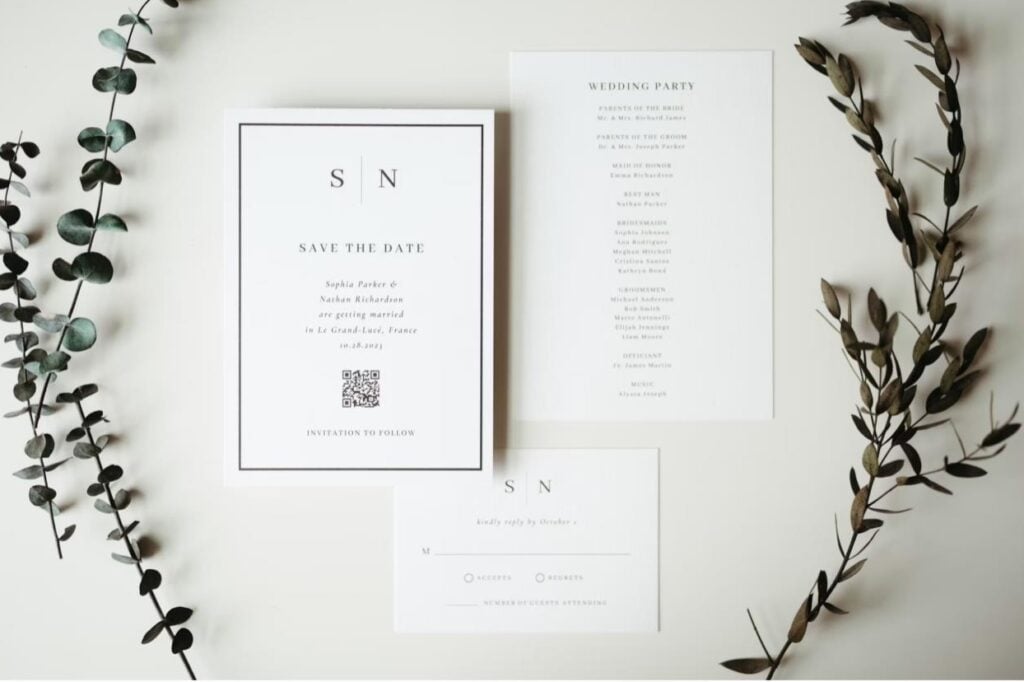
Once the initial guest list is taking shape, decide how you’ll create, deliver, and manage save-the-date messages. Visual design matters, but the practical side of the process can become increasingly important as the wedding date approaches. A save-the-date should reach guests early, make a strong visual impression, and help set the tone for the formal invitation that follows.
Couples comparing the best online save the date platforms should consider factors such as delivery methods, guest-management tools, address collection, and whether the same system can support formal invitations. These practical features can matter just as much as inspired design.
Thinking beyond the save-the-date can reduce the amount of information that needs to be transferred manually later. A platform that carries essential guest details forward and supports matching formal invitations can also make it easier to maintain accurate records as wedding plans develop.
Together, these practical considerations reflect the wider role a save-the-date platform can play in overall wedding organization.
Centralize Date, Venue, and Guest Information
Guest information is only part of the picture. Event details, decisions, and deadlines also need to be kept in one reliable place, rather than scattered across conversations and documents.
Guest Information
Keep names, contact details, household groupings, and confirmed plus-one information as part of the master guest list. If someone corrects the information they initially provided or their plans
change, update the master list so the latest details are easy to find instead of having to rely on an old email or message.
Event Information
Record the confirmed ceremony and reception locations, dates, times, accommodation information, transportation arrangements, and dress codes if relevant. If something changes, update the central record first so later guest communications remain consistent.
Planning Information
Vendor commitments, payment dates, deadlines, and other decisions can sit alongside the broader planning schedule. Factoring your wedding budget into these decisions can also make it easier to see how each choice affects the overall cost of the celebration.
Financial planning guidance commonly recommends monitoring costs across categories rather than allowing wedding expenses to accumulate without a clear plan.
Review and Update Details Before Invitations Go Out
Several months may pass between sending save-the-dates and preparing formal invitations. During that time, addresses can change, household arrangements may shift, and previously undecided plus-one details can become clearer.
Save-the-dates can also reveal important guest information that needs correcting. An undelivered message, misspelled name, or outdated contact detail should be promptly updated in the master guest list rather than left in an individual email, text, or separate note.
Continue making these updates as changes arise instead of waiting until invitations are ready. Keeping the master record current reduces the number of corrections that need to be made later and limits the amount of information that needs to be checked or tracked down.
Before invitations go out, complete one final review of both guest and event information. Confirm names, contact details, household groupings, plus-ones, dates, locations, and timing against the latest plans so the invitations reflect the most accurate information available.
Keep RSVPs and Guest Updates Organized
Invitations change the direction of wedding communication. Instead of primarily sending information to guests, couples begin receiving individual responses, questions, and important planning updates that need to be associated with the right guests.
Record each RSVP in the same system used to manage the guest list. Whether someone is attending, has declined, or has not yet responded, their current status should be easy to find and update. This also keeps the latest guest count visible as responses arrive.
Guest details may continue changing as more individual responses arrive. Updated contact information, changes involving accompanying guests, or other relevant corrections should be promptly added to the main record rather than kept in separate notes or messages.
Responses can also arrive through texts, emails, or during personal conversations. Regularly transferring those individual updates into the master guest list keeps important information from becoming scattered across different communication channels as final plans take shape.
Use the Same Guest List for the Final Planning Stages
An organized guest list remains useful after the RSVP deadline. Confirmed attendance provides accurate guest numbers that can guide the final stages of wedding planning.
Those confirmed guest numbers can inform seating arrangements, venue and catering requirements, as well as final guest communications. If any late cancellations or other changes take place, they can be reflected quickly in the same record without creating another separate version of the list.
Keeping all that information together also makes last-minute coordination much easier. Rather than checking separate messages or outdated lists, couples can refer to one reliable, current record as they finalize remaining practical details before the wedding day arrives.
The same organized approach can continue after the celebration. Notes about meaningful photos, stationery, and other details from the event can be added to the master list and later used when creating a wedding photo book, creating an intentional record of the day once the practical planning is complete.
Keep Wedding Details Consistent From Start to Finish
Keeping wedding details organized doesn’t require a new system at every stage. A dependable guest list and central source of event information can carry essential details from save-the-dates through invitations, responses, and final wedding preparations.
Updating information as wedding plans develop keeps each stage connected to the one before it. With fewer conflicting records to manage, couples can spend less time tracking down important details and keep final preparations better organized as the wedding approaches.
-
Finding the Right Level of Mental Health Care Without Putting Life on Hold
Explore how to find the right level of mental health care for your needs, from outpatient therapy to intensive treatment and inpatient support.
-
Best Christmas Gifts for Kids That Spark Joy
Discover five Christmas book gifts for kids from Quarto, with musical adventures, dinosaur and space sounds, an advent calendar and a cozy bedtime story.
-
Urban Outfitters Sale: Extra 50% Off Sale Items!
Urban Outfitters is offering an extra 50% off sale items, both in stores and online! Shoppers can explore markdowns on women’s and men’s clothing, denim, shoes, accessories, home decor, and more. The additional discount makes already-reduced merchandise even more affordable. Eligible online items are marked with an extra 50% off in-cart offer, so check your cart for final pricing. It’s a great opportunity to refresh your wardrobe, update your space, or get a head start on gift shopping. Exclusions apply, and availability may vary.
-
Portable Car Battery Jump Starter on Sale for Just $59.99!
Walmart has a great deal on a practical roadside emergency tool! This Portable Car Battery Jump Starter with a built-in air compressor is reduced from $110.99 to just $59.99, saving shoppers $51. The compact device features 2500A peak starting power and a 150 PSI tire inflator. It’s designed for compatible 12V vehicles with gasoline engines up to 7.0 liters or diesel engines up to 5.5 liters. Perfect for emergency preparedness, road trips, or gifting to a new driver, this two-in-one automotive accessory is a useful addition to any vehicle. Pricing and availability may change.
-
Solar String Lights 55% Off at Amazon — Just $17.98!
Amazon has a great deal on outdoor lighting! The Brightown 52FT Solar String Lights are currently 55% off, dropping from $39.99 to just $17.98. These waterproof patio lights include 15 LED bulbs, a spare bulb, solar and USB charging, a remote control, adjustable brightness, and timer settings. They’re ideal for backyard gatherings, patios, gardens, camping, and holiday decorating. This limited-time deal saves shoppers $22.01, but pricing may change.
-
Kids Digital Microscope 40% Off at Amazon — Just $23.99!
Amazon has a fun educational gift on sale! This pink 500X Kids Digital Microscope is currently 40% off, dropping from $39.99 to just $23.99. The handheld STEM toy features a 2-inch digital screen, eight adjustable LED lights, macro autofocus, built-in photo storage, and USB-C charging. Children can explore insects, leaves, flowers, and everyday objects while learning about science. It’s a great option for birthdays, Christmas gifts, or homeschool activities. This is a limited-time Amazon deal, so pricing may change.