How the food recall system works to protect consumers
Food safety regulators and food companies use recall systems to remove unsafe products from sale. If you understand how those systems operate, you can react quickly when a notice affects food in your kitchen. Here’s what you need to know about how the food recalls system works to protect consumers:
How a recall begins
Food recalls appear in many countries each year when companies or regulators identify contamination, undeclared allergens, or labelling errors. A recall usually begins when a company employee, laboratory analyst, or regulator identifies a safety problem connected to a product. Let’s say, for example, that Taylor Farms finds that they’ve mislabeled their onions. Working with officials, the brand will pin the problem down to a specific batch. A Taylor Farms onion recall notice will then be put out and disseminated to all elements of the supply chain and the relevant authorities.
Stores will pull the product from shelves, and consumers will be asked to check their cupboards for the mislabeled product, as well as advised on what to do next – in this case, probably to disregard the incorrect information on the packaging and to use the information provided by the brand.
Sometimes, company employees or inspectors may identify a safety breach or contaminant risk during an inspection. When company managers confirm a safety problem, the company normally begins a voluntary recall and notifies regulators. In the United States, companies report most food safety recalls to the U.S. Food and Drug Administration. If the issue involves meat or poultry, the Food Safety and Inspection Service supervises the recall.
Recall risk categories
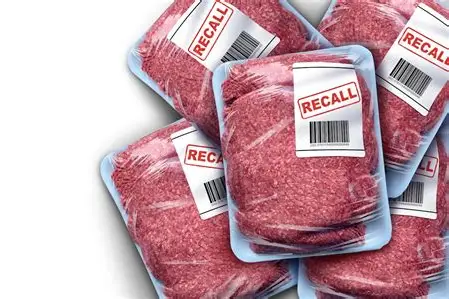
Regulators classify recalls according to the level of health risk linked to the product. The U.S. Food and Drug Administration uses three main categories.
- Class I recalls involve products that could cause serious health consequences or death. Regulators and companies treat these situations as urgent public health risks.
- Class II recalls involve products that could cause temporary or medically reversible health effects.
- Class III recalls involve products that violate regulations but do not present a likely health risk.
How companies remove recalled products
When a recall begins, company staff identify the batches affected by the safety issue. Staff then notify distributors, retailers like Walgreens and Costco, and regulators so those organisations can remove the affected products from warehouses and store shelves.
Companies also publish recall notices that identify the product name, packaging details, and batch numbers involved in the recall. These notices explain what customers should do if they purchased the affected product.
How you receive recall information
You can find recall information through several sources. Regulators publish notices on official websites and distribute alerts through email lists and public announcements. News organisations often report major recalls that affect widely distributed food products.
Retailers may also post notices in stores or on their websites when a recall affects products they sold.
Why recall systems matter for consumers
When regulators and companies identify a safety problem, recall systems remove affected products from circulation and notify the public. If you read recall notices and check products in your kitchen when a recall appears, you reduce the chance that contaminated food reaches your table.
Food recalls may interrupt supply chains or create temporary inconvenience for customers. However, recall systems play a central role in protecting public health by identifying unsafe products and removing them from sale.
-
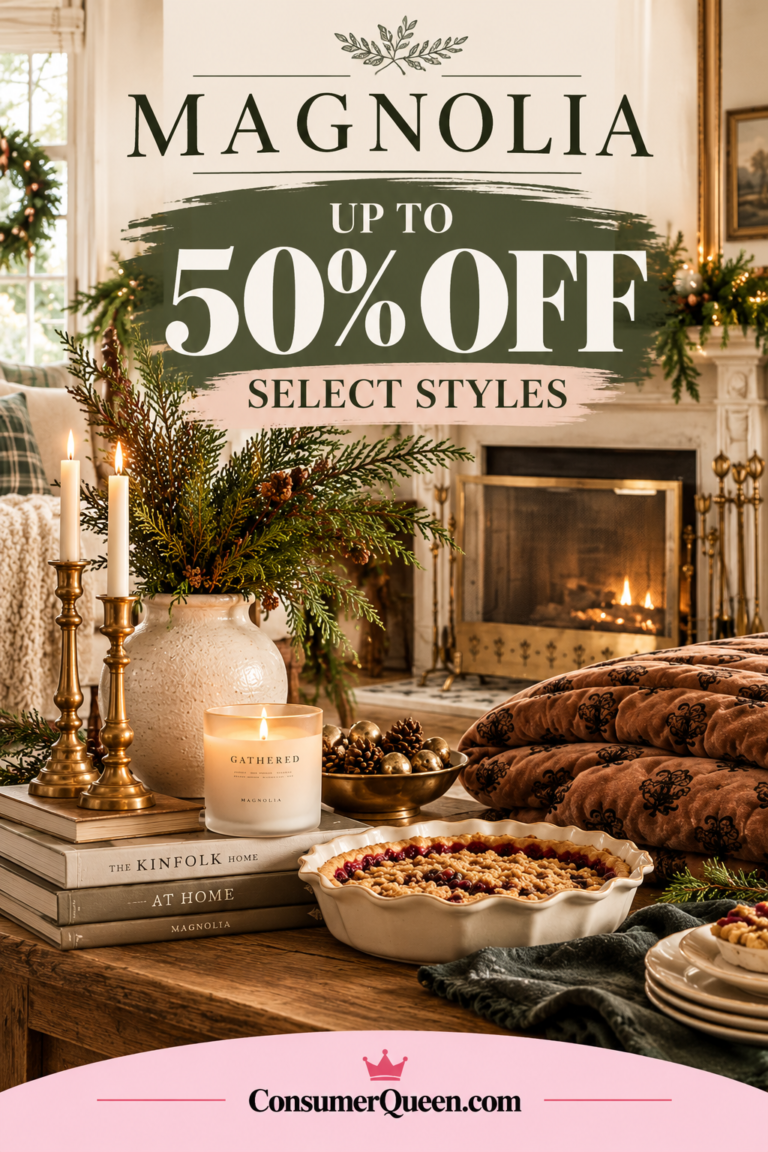
Magnolia Home Sale: Save Up to 50% on Select Styles!
Magnolia is offering up to 50% off select merchandise during a limited-time sale running October 27 through November 2, 2026! It’s a great opportunity to browse timeless home accents, seasonal decorations, and thoughtful gift ideas before the holidays. Whether you’re refreshing your living room or getting ready to host family gatherings, Magnolia’s warm, understated style offers plenty of inspiration. Discounts vary by product, and several categories, including furniture, rugs, lighting, pillows, and throws, are excluded. The promotion ends November 2 at 11:59 p.m. Central Time, so check eligible items before ordering.
-
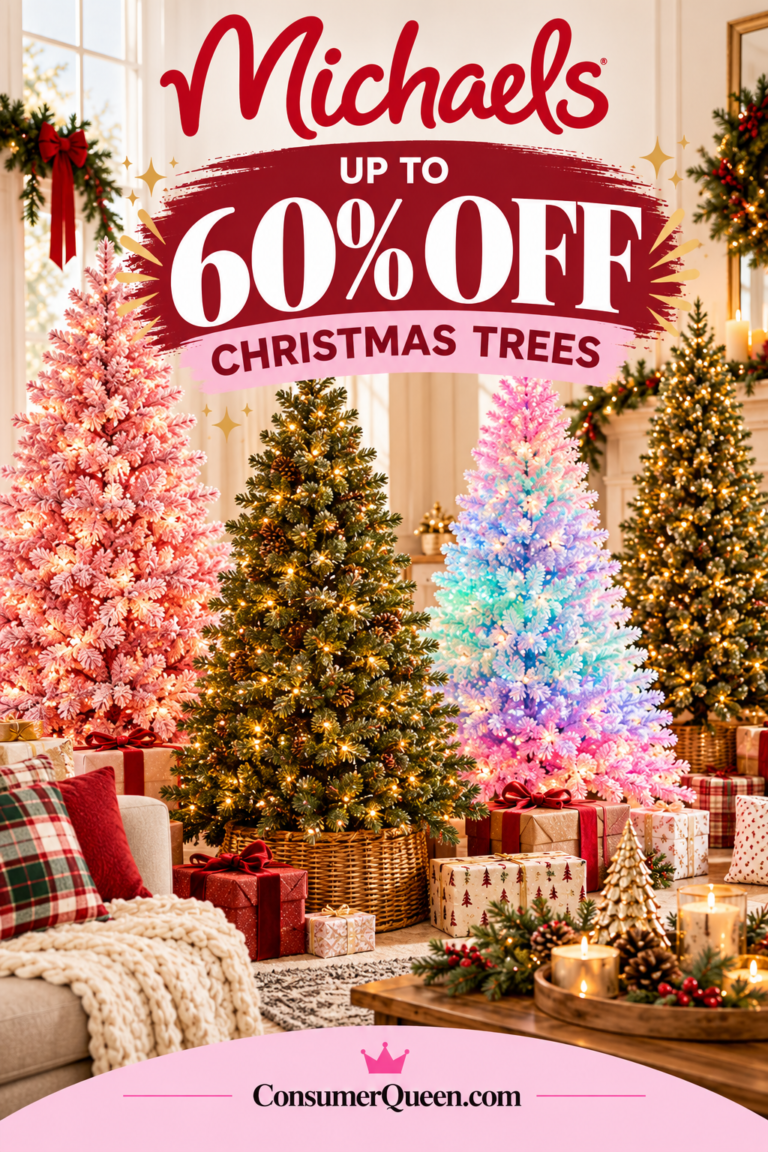
Michaels Christmas Trees: Save Up to 60%!
If you’re ready to start decorating for Christmas, Michaels has a holiday sale worth exploring! Shoppers can save up to 60% on select artificial Christmas trees, including pre-lit, flocked, slim, and full-size styles. Whether you’re looking for a traditional tree for the living room or a smaller option for an apartment or entryway, there are plenty of choices. Some recent listings include a 4-foot pre-lit tree for $29.99 and a 7-foot pencil tree for $69.99. Discounts and availability vary, so check the latest prices and shipping details before ordering.
-
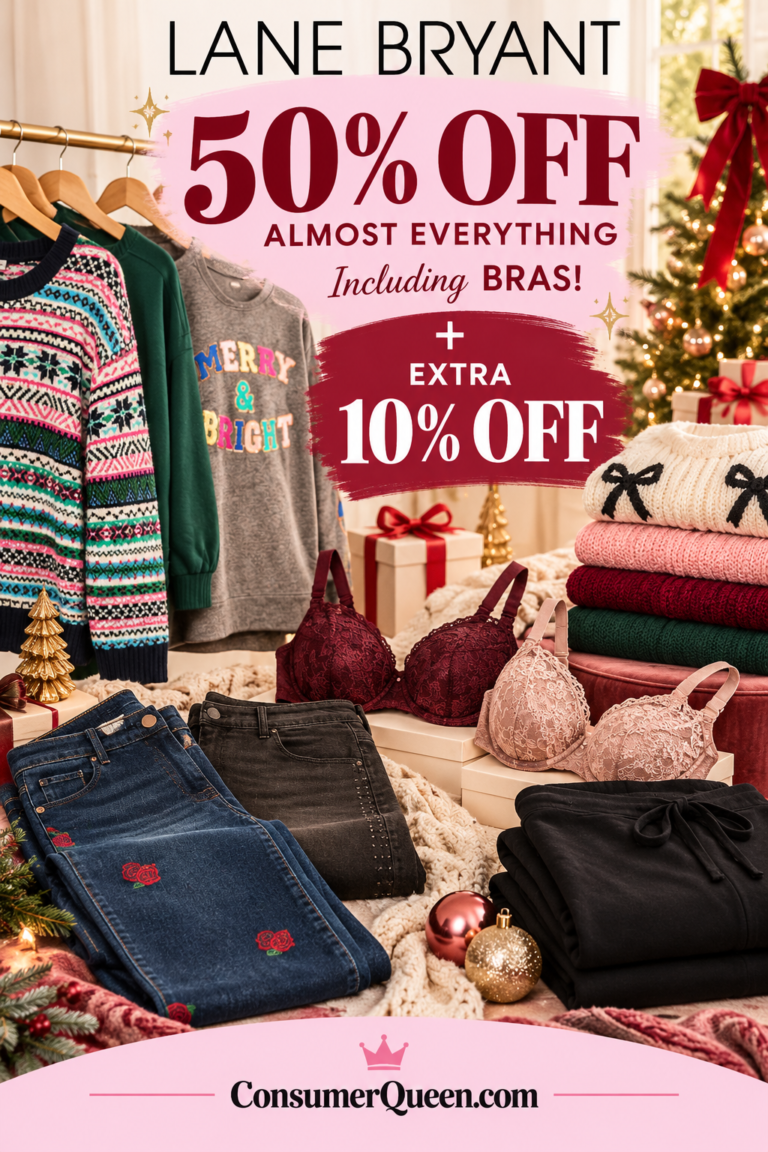
Lane Bryant Flash Sale: 50% Off Plus Extra 10%!
Lane Bryant is celebrating the season with a two-day flash sale! From October 27–28, 2026, shoppers can save 50% on eligible clothing, accessories, sleepwear, and bras, plus take an additional 10% off qualifying styles. That works out to a combined 55% discount on eligible full-price merchandise. It’s a great opportunity to shop for cozy sweaters, jeans, holiday outfits, and everyday essentials. The promotion is online only and ends October 28 at 11:59 p.m. Pacific Time. Exclusions apply, so review the offer details and final prices before checking out.
-
4 Cost Segregation Firms Real Estate Investors Can Compare in 2026
Sponsored post: Comparing cost segregation firms Image Credit: Unsplash Depreciation timing is one of the few tax levers a property owner controls directly. Your provider affects both the deduction size and how fast you can use it. Cost segregation firms range from boutique specialists to national consulting groups. Larger groups may bundle studies with R&D…
-
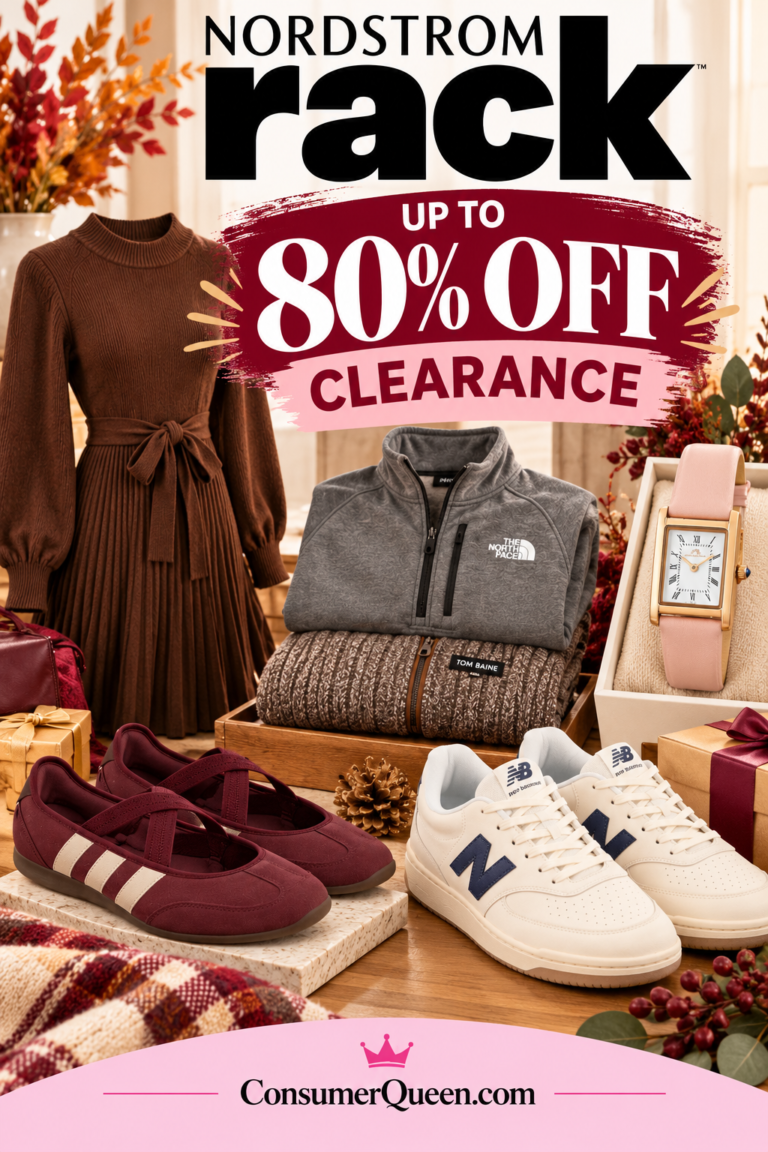
Nordstrom Rack Clearance: Save Up to 80% on Top Brands!
Nordstrom Rack has some fantastic clearance deals for shoppers looking to save on name-brand fashion! Select merchandise is marked down by as much as 80%, including clothing, shoes, handbags, accessories, and home essentials. Look for discounted styles from popular brands such as Kate Spade, Marc Jacobs, Madewell, and Spanx. With Christmas shopping around the corner, this is also a great opportunity to find gifts without spending full price. Clearance inventory changes frequently, and popular sizes can sell out quickly. Browse the latest markdowns and check individual product prices before ordering.
-
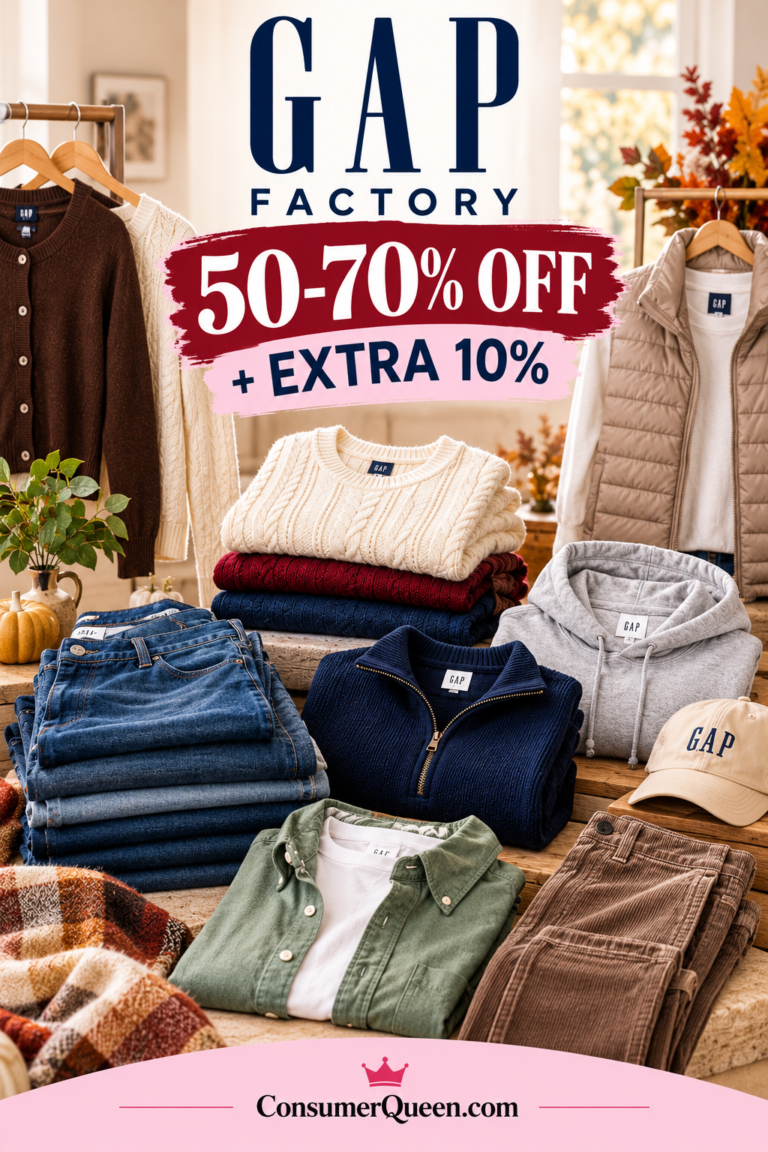
Gap Factory Clothing Deals: 50–70% Off + Extra 10%!
Gap Factory has some exciting clothing deals for fall and winter! Shoppers can find 50–70% off sitewide, plus an additional 10% off eligible purchases. The retailer is also advertising 60% off cozy essentials and an extra 55% off select clearance merchandise. It’s a great opportunity to shop for sweaters, jeans, jackets, comfortable basics, and clothing for the whole family. You can even get a head start on Christmas gifts! Discounts may be applied at checkout, and exclusions apply. Check the available styles and final prices before placing your order.