Why Cost Per Wear Matters for Kids’ Clothes and Shoes
Cost per wear can tell you more about kids’ clothes and shoes than the price tag alone. A bargain that sits in a drawer may cost more per outing than a favorite coat worn all season.
The math is simple: divide what you paid by the number of times the item gets worn. That turns a vague feeling about value into a number you can compare.
However, this is a planning tool, not a reason to stretch the family budget. Fit, comfort and how quickly your child is growing still come first.
The Cost Per Wear Math, and Why It Surprises People
Cost per wear = purchase price ÷ number of wears. Use realistic estimates before buying, then think about actual use when deciding what worked.
| Example purchase | Times worn | Cost per wear |
|---|---|---|
| $20 top | 3 | $6.67 |
| $100 coat | 120 | $0.83 |
| $40 coat | 80 | $0.50 |
For example, 120 wears could mean wearing the same coat four times a week for 30 weeks in total. Only count a second winter if it is realistic for your child’s growth and your climate.
Notice that the lower-priced coat can still come out ahead. The question is how much use each item will get, rather than which one costs more.
Everyday basics often have the most chances to earn their keep: school shoes, leggings and the hoodie a child reaches for each morning. Special-occasion clothes may get only one or two outings before they stop fitting.
Where It’s Worth Spending More
Spending a little more can make sense for something your child will wear often. First, check whether it fits well, feels comfortable and suits the way they actually spend their days.
Shoes are a useful example because a favorite pair can become part of a child’s routine. Style matters to kids, too. A pair of kid’s Jordan 4 shoes, for instance, may appeal to a child’s personal taste. Still, check fit, comfort, intended use and price before deciding whether that particular pair offers value.
Don’t count on future wears from shoes that rub or leave too much room for growing. A less expensive pair that fits properly and gets worn regularly may be the better buy.
Winter coats work in much the same way. A jacket needs to suit the weather and survive normal use. Paying for features your child needs can be worthwhile, but a higher price alone does not prove durability.
Resale can also reduce the eventual cost. However, condition, demand and selling fees affect what you get back. Treat resale money as a possible bonus rather than a guaranteed part of your shopping budget.
Where Spending More Makes No Sense
During a fast-growing stretch, even well-made clothing can have a short useful life. Babies and toddlers may move through sizes quickly, and growth spurts can happen later, too.
Next, consider occasion wear: a wedding shirt, a costume or a dress for one school photo. Borrowing, buying secondhand or choosing a lower-priced option can make more sense when the likely wear count is small.
Trend-driven pieces deserve the same check. A child may love a style now and lose interest before the next season. That affects its value even when the garment is still in good condition.
What Pushes Cost Per Wear Up Without You Noticing
A few everyday details can change the calculation on clothes that looked like sensible purchases:
- Fit: An item bought far too large may sit unworn until the right season has passed. Check the fit now and think realistically about when it will be useful.
- Comfort: Itchy fabric, rubbing shoes and tight waistbands can send an item to the back of a drawer. If it never gets worn, the purchase has delivered no wear value.
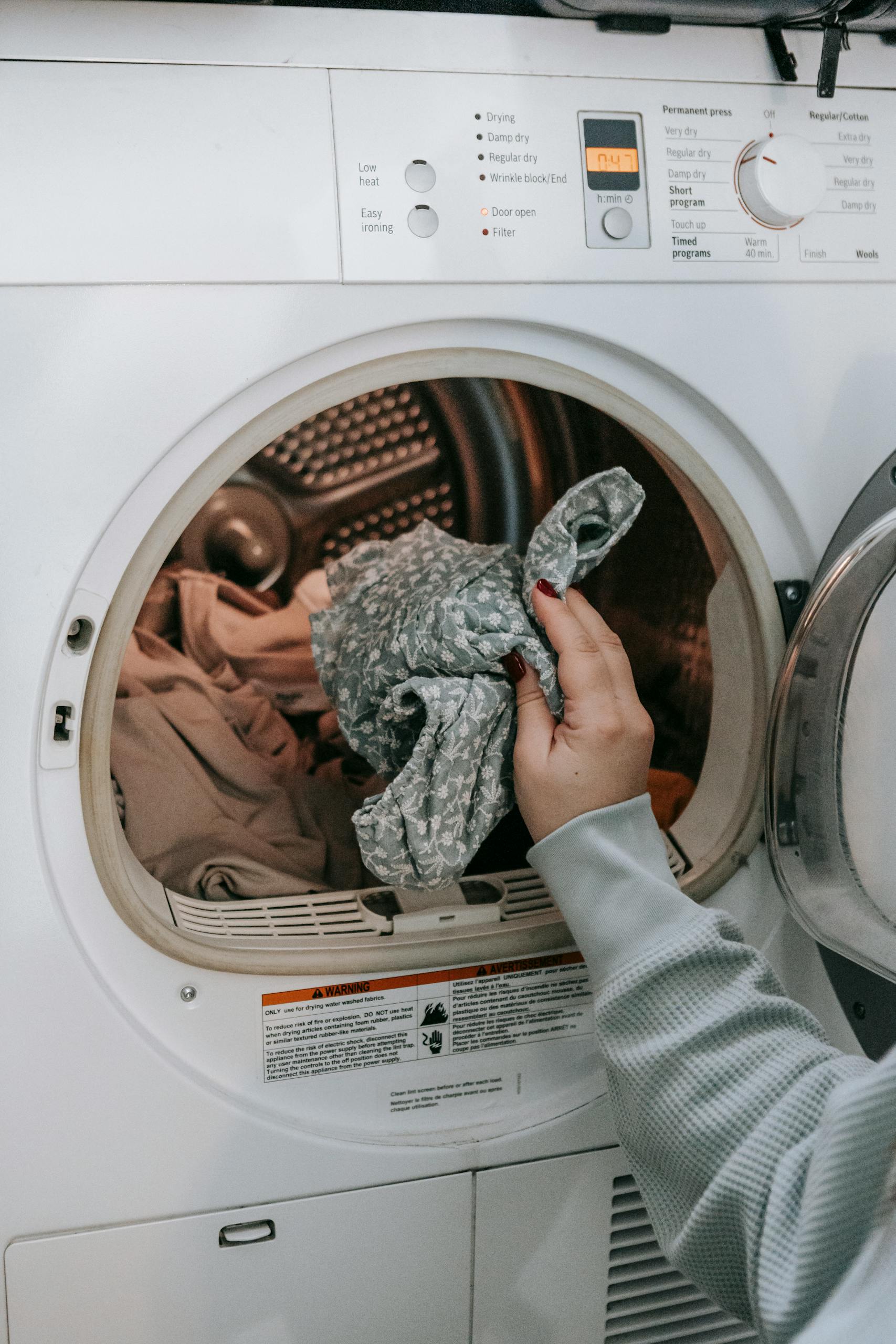
- Care: Follow the garment’s care label, treat stains promptly and choose suitable drying methods. An item that needs care you cannot realistically provide may be a poor match for your household.
For more ideas on caring for the pieces you already own, see our garment longevity tips.
Making the Number Work Harder
A few habits can bring the cost per wear down on things you’ve already bought.
Start with colors and styles that work with the rest of the wardrobe. A pair of pants that matches several tops has more chances to get worn. Keep favorites in rotation instead of saving everything for best.
Passing suitable clothes to a younger sibling can spread the original cost across more wears. It does not automatically halve the cost; that depends on how much each child uses the item.
Then sell, swap or donate outgrown pieces while they are still in useful condition. Our guide to clothing buyback programs explains how credits, fees and recycling offers differ. Check the current eligibility rules before assuming a particular brand or children’s item qualifies.
One Question Before You Pay
Before buying, ask: How many times will my child realistically wear this before it stops fitting or stops being useful?
If the answer is most days for the next few months, compare a few suitable options. Divide each price by a realistic wear estimate, then choose within the amount you can afford.
If the answer is only a handful of times, consider borrowing or buying secondhand. The outfit can still feel special without taking a large share of the clothing budget.
Children will keep growing, and no calculation changes that. Cost per wear simply helps direct the money toward clothes and shoes they can comfortably use.