
Smart Ways to Spend Less on Groceries Without Skipping Nutrients
Some of the most nutritious foods in the supermarket are also some of the cheapest. A bag of dried lentils, a carton of eggs, a tub of oats and a bag of frozen spinach cost far less than most ready meals, yet they cover much of what a healthy diet needs. When prices keep climbing, it’s easy to assume eating well is a luxury, but saving money doesn’t have to mean living on instant noodles or giving up fresh food. With a bit of planning, smarter shopping and flexible cooking, you can spend less on groceries and still eat well.
The trick is to spend on value, not volume. Build your meals around staples that stretch across the week, like beans, oats, eggs, frozen vegetables and canned fish, which deliver protein, fiber and key vitamins for very little. Some people also add a super greens powder to their routine as an extra boost on busy days, alongside a diet built on whole foods. Once your cart is full of simple, versatile ingredients, it becomes much easier to walk past pricey convenience foods and impulse buys.
Spend Less on Groceries With a Meal Plan
Meal planning is one of the most effective ways to cut grocery costs. Before going to the store, check your pantry, refrigerator, and freezer so you know what you already have. Then plan meals around those ingredients first. This prevents duplicate purchases and helps reduce food waste.
You do not need an elaborate plan for every bite of the week. Start with three or four dinners, a few easy breakfasts, and simple lunch options. Choose meals that share ingredients. For example, a bag of brown rice can be used in burrito bowls, stir-fries, soups, and grain salads. A rotisserie chicken or a batch of lentils can become sandwiches, tacos, and hearty salads. For another dinner built around pantry staples, try our Instant Pot 15-bean soup.
Build Around Budget-Friendly Staples
Some of the healthiest foods are also among the least expensive. Beans, lentils, rice, oats, potatoes, eggs, peanut butter, whole wheat pasta, and canned tomatoes can form the base of many filling meals. These foods provide carbohydrates, protein, fiber, and minerals without costing much.
Dry beans and lentils are especially affordable, but canned versions are still a good value and save time. Rinse canned beans to reduce sodium. Oats can be used for breakfast, homemade granola, or even savory bowls with eggs and vegetables. Potatoes and sweet potatoes are inexpensive, satisfying, and rich in nutrients such as potassium and vitamin C.
Choose Frozen and Canned Produce
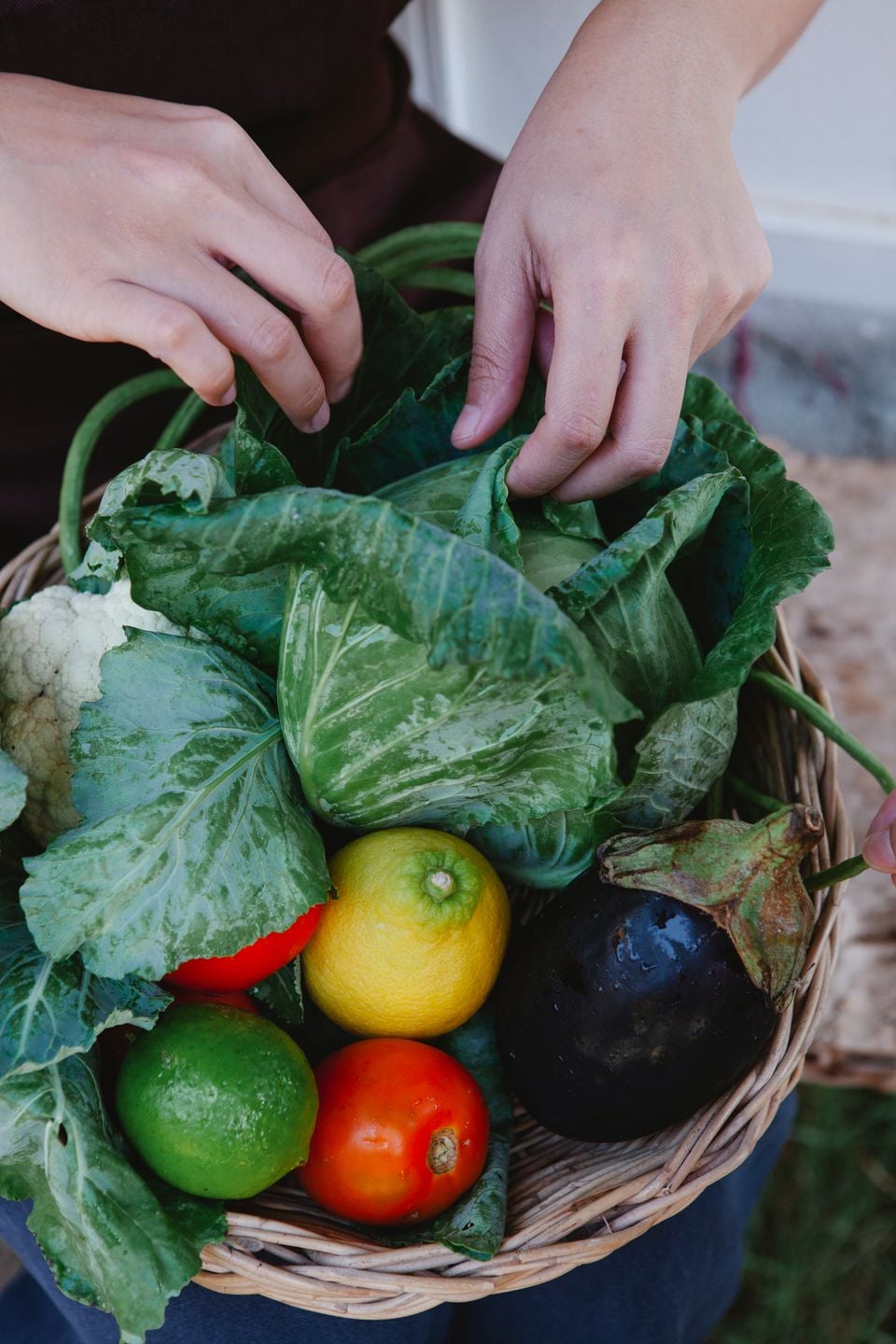
Fresh produce is great, but it is not always the cheapest or longest-lasting option. Frozen fruits and vegetables are often picked at peak ripeness and can be just as nutritious as fresh. They also reduce waste because you can use only what you need and keep the rest frozen.
Frozen spinach, peas, broccoli, mixed vegetables, berries, and mango are useful staples. Add them to soups, smoothies, omelets, pasta, and rice dishes. Canned produce can also be budget-friendly. Look for fruit packed in juice rather than syrup and vegetables labeled low sodium or no salt added when possible.
Compare Unit Prices to Spend Less on Groceries
The sticker price does not always tell the full story. Unit pricing shows the cost per ounce, pound, or serving, making it easier to compare sizes and brands. A larger package may be cheaper per unit, but only buy in bulk if you can use the food before it spoils. If you want to spend less on groceries, our guide to spotting a real sale can help you decide when a deal is worth it.
Store brands are often similar in quality to name brands and usually cost less. Compare basics such as cereal, yogurt, canned goods, pasta, spices, and frozen vegetables. Over time, small savings on frequently purchased items can add up significantly.
Reduce Meat Without Losing Protein
Meat can be one of the most expensive parts of a grocery bill. You do not have to eliminate it completely to save money. Instead, use smaller portions and combine meat with lower-cost proteins such as beans, lentils, tofu, eggs, or Greek yogurt.
For example, add black beans to taco meat, lentils to pasta sauce, or chickpeas to salads. Use chicken thighs instead of chicken breasts, or buy larger cuts on sale and freeze portions. Canned tuna, sardines, and salmon can be affordable sources of protein and omega-3 fats.
Cook Once, Eat More Than Once
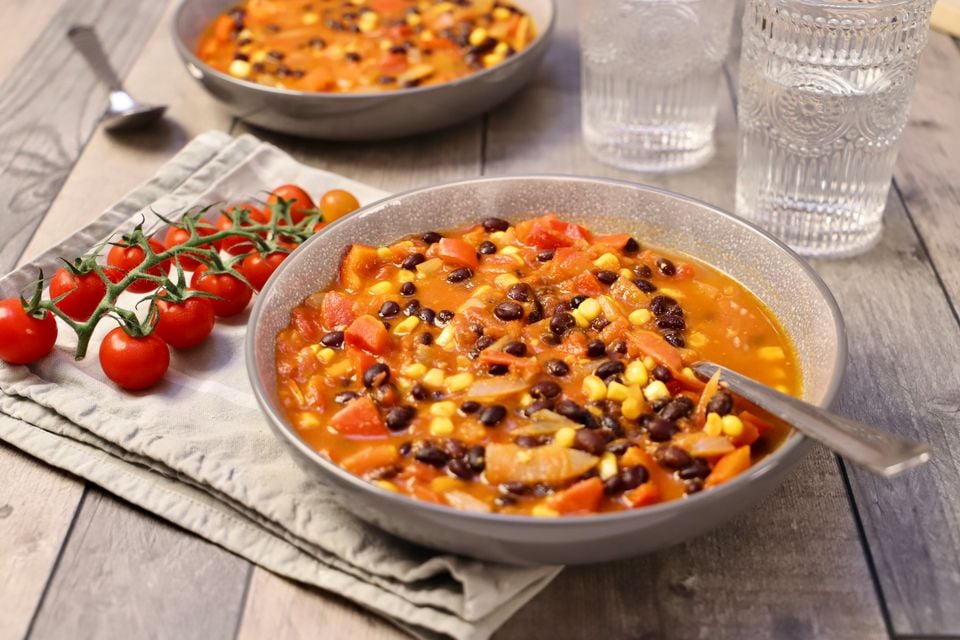
Batch cooking helps you save time and money. Prepare a large pot of soup, chili, curry, or stew and divide it into portions for lunches or future dinners. Cook extra rice, quinoa, or pasta to use throughout the week.
Leftovers do not have to feel repetitive. Roasted vegetables can become a wrap filling, omelet topping, or grain bowl. Extra chicken can go into soup, salad, or quesadillas. Repurposing food keeps meals interesting while helping you avoid takeout. Our guide to foods you can freeze has ideas for saving extra ingredients and meals for later.
Use a List to Spend Less on Groceries and Waste Less
A shopping list helps you stay focused and avoid buying items you do not need. Organize your list by section of the store to save time and reduce impulse purchases. Try not to shop while hungry, since that can lead to more snack and convenience food purchases.
At home, store food properly to make it last. Keep herbs in a glass of water, freeze bread if you will not finish it quickly, and move older items to the front of the refrigerator. Use vegetable scraps for broth and overripe fruit for smoothies or baking.
Make Nutrition the Priority
You can spend less on groceries by choosing foods that give you good nutrition for your dollar. By planning ahead, choosing versatile staples, using frozen and canned options, and reducing waste, you can eat well without overspending. Healthy meals can be simple, satisfying, and budget-friendly when you shop with strategy.


