How You Can Build a Meaningful Career as a Nurse Educator
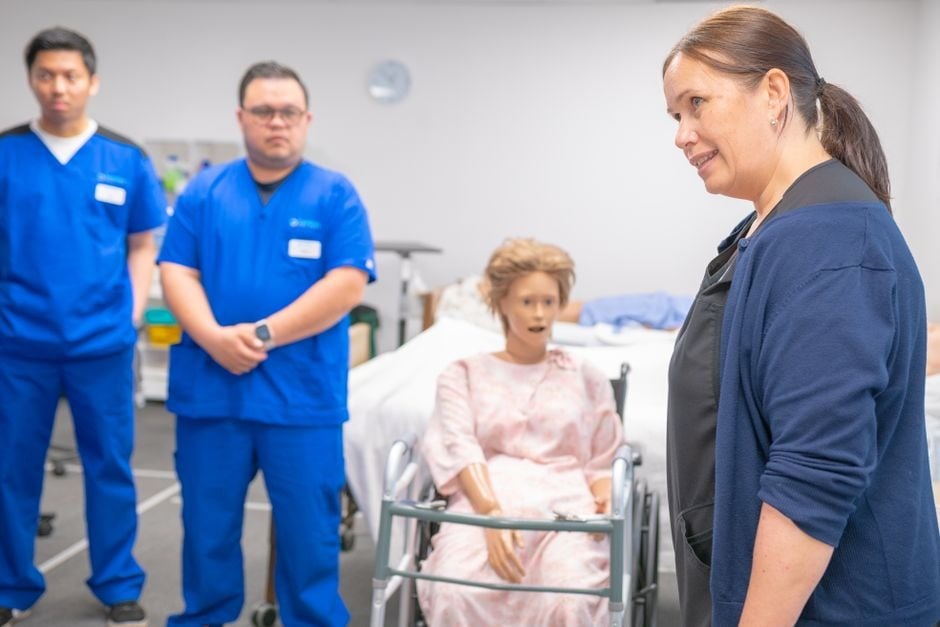
If you like healthcare but also enjoy teaching, nurse education sits in a pretty powerful spot. You get to shape how future nurses think, communicate, and care for patients long before they walk onto a hospital floor alone. It’s a career path with strong demand, real influence, and more variety than many people expect. From clinical instruction to curriculum planning, nurse educators help keep the profession sharp, skilled, and ready for what healthcare throws at it next.
What a Nurse Educator Actually Does
When you picture a nurse educator, you might imagine someone lecturing in a classroom all day. That can be part of the job, but it’s only one slice of it. Nurse educators often teach in colleges, universities, hospitals, and healthcare systems. Some train brand-new nursing students, while others help working nurses build advanced skills.
Your daily work could include:
– Teaching patient care concepts and clinical reasoning
– Supervising students in simulation labs or healthcare settings
– Designing course materials and lesson plans
– Evaluating student performance and giving feedback
– Keeping coursework aligned with current healthcare standards
– Supporting evidence-based practice in academic or clinical settings
According to St. Thomas University, a clinical nurse educator usually works closely with patient care teams and staff development. The role often combines bedside credibility with strong teaching skills, making it especially valuable in fast-moving care environments.
Why This Career Matters More Than Ever
Healthcare runs on people, and people need training that goes beyond memorizing facts. New nurses have to make quick decisions, communicate clearly, and stay calm when a shift goes sideways. Nurse educators help build those abilities before mistakes become expensive, dangerous, or unforgettable for all the wrong reasons.
You’re not just passing on information. You’re helping create safer patient care, stronger clinical judgment, and better teamwork. That ripple effect is huge. One skilled educator can influence hundreds of nurses over a career, and each of those nurses will care for thousands of patients.
There’s also a workforce angle. Many regions continue to face nursing shortages, and schools can’t expand enrollment without qualified faculty. Hospitals need educators too, especially for onboarding, competency training, and specialty areas like ICU, pediatrics, and emergency care. In other words, the need isn’t some abstract trend. It’s sitting right inside real staffing problems.
The Skills You Need to Succeed
Being a great nurse doesn’t automatically make you a great teacher. Harsh but true. Nurse education needs its own skill set, and the strongest educators learn how to translate experience into clear, usable instruction.
Important skills include:
– Strong communication, both verbal and written
– Patience when students need repetition or clarification
– Clinical expertise grounded in current practice
– Organization for planning lessons, grading, and documentation
– Leadership during labs, rotations, and team-based learning
– Critical thinking to connect theory with patient care reality
You also need emotional intelligence. Students can be anxious, overconfident, distracted, or completely overwhelmed by their first real patient interaction. Your tone matters. So does your ability to correct mistakes without crushing confidence.
A good educator knows when to push, when to coach, and when to stop a student before a small error becomes a serious one. That balance takes judgment, not just credentials.
Education Pathways for Becoming a Nurse Educator
If you’re thinking about this path, your education level shapes the roles you can pursue. Many nurse educators start as registered nurses, gain clinical experience, and then move into graduate education. A master’s degree can open doors, especially in academic and staff education settings.
For nurses aiming for leadership, curriculum influence, and advanced teaching roles, doctoral preparation can be a smart move.
That route can help you build expertise in areas such as:
– Instructional design
– Healthcare policy awareness
– Quality improvement
– Organizational leadership
– Advanced clinical application
– Program evaluation
Some programs are built for working professionals, which matters if you’re already balancing shifts, family responsibilities, and the occasional chaotic calendar that looks like it lost a fight with reality.
Where You Can Work and What the Job Looks Like
One of the best parts of this career is the range. You’re not locked into one environment forever. Nurse educators work in settings with very different rhythms, expectations, and audiences.
Common workplaces include:
– Community colleges
n- Universities and nursing schools
– Teaching hospitals
– Long-term care organizations
– Public health agencies
– Private healthcare systems
– Simulation and training centers
If you work in academia, you may spend more time teaching classes, advising students, and helping with curriculum updates. In hospitals, education can feel more immediate and operational. You might train new hires, lead competency reviews, or teach staff how to use updated equipment and protocols.
Some professionals move between both worlds. That hybrid background can be especially useful because it keeps teaching grounded in what’s actually happening on the clinical floor, not just what looks good in a textbook from five years ago.
Challenges You Should Expect Before You Commit
Nurse education is rewarding, but it isn’t effortless or endlessly inspirational music in the background. You’ll deal with deadlines, accreditation standards, student concerns, and the pressure to stay current in both healthcare and teaching methods.
A few common challenges include:
– Managing heavy workloads during clinical rotations
– Balancing teaching with administrative duties
– Adapting to changes in healthcare technology
– Handling students with different learning styles and readiness levels
– Meeting institutional and licensing requirements
You may also notice a pay gap between certain clinical roles and academic positions, especially early on. That doesn’t make education a poor choice, but it does mean you should weigh the trade-offs carefully. Career satisfaction often comes from purpose, schedule preferences, leadership goals, and long-term impact, not just salary alone.
How You Can Decide if This Path Fits You
A nurse educator career fits best if you like explaining things, mentoring others, and improving systems instead of only working inside them. If you’ve ever enjoyed precepting new nurses, leading training sessions, or helping classmates understand hard material, that’s a strong clue.
Ask yourself a few practical questions:
– Do you enjoy teaching without needing constant recognition?
– Can you give constructive feedback clearly and respectfully?
– Are you willing to continue learning throughout your career?
– Do you care about patient outcomes beyond your own shift?
– Can you lead with both authority and empathy?
If your answers lean yes, this path deserves a serious look. Nurse educators help shape the profession from the inside out. You won’t always see the full impact in one day, one semester, or one training session. Still, it adds up. Every confident graduate, every safer handoff, and every smarter clinical decision carries a trace of the educator who helped make it possible.