How to Choose Wide Winter Boots That Stay Warm, Dry, and Comfortable
The boots looked warm enough in the shop. Thick lining, substantial soles, a reassuringly high collar. Yet halfway through clearing the driveway, your toes are cold and the forefoot feels squeezed. The right pair of wide winter boots gives your toes room and keeps your heel secure.
More insulation is not always the answer. Winter comfort depends on how the boot fits, how it handles moisture and whether its construction suits what you actually do outdoors. A short walk through slush calls for something different from standing beside a playing field for two hours.
When you shop for wide winter boots, look for enough room in the insulated interior. Your heel should still feel secure, and you shouldn’t need to buy a longer boot just to get extra width.
Choose Wide Winter Boots for Your Usual Weather
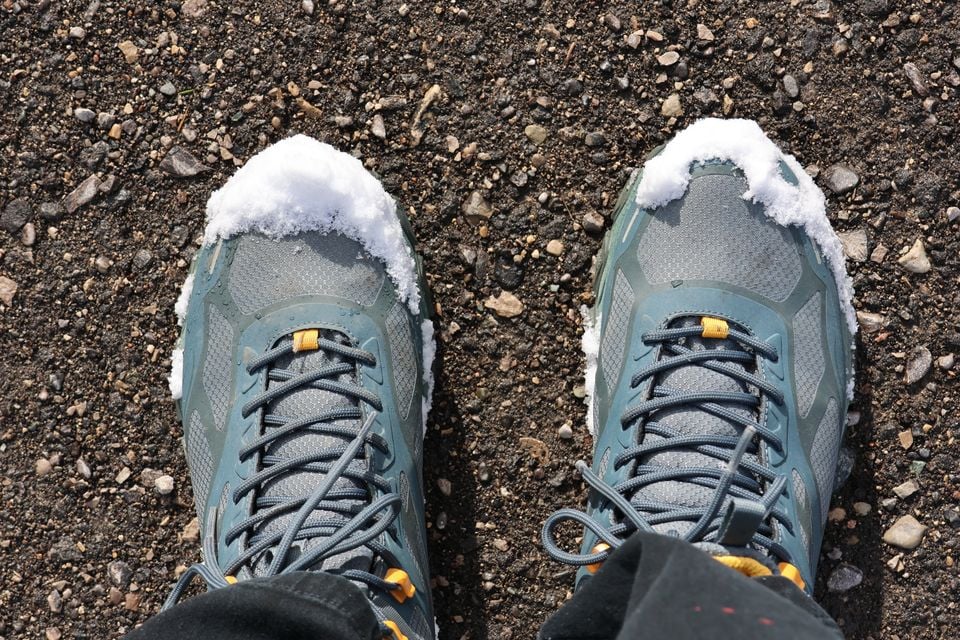
Think about your usual conditions before comparing linings.
Wet winters make water protection particularly important. In colder, drier conditions, insulation and protection from snow may take priority. Someone moving between heated buildings also needs to consider what happens indoors, where heavily insulated boots can become uncomfortably hot.
Activity changes the decision. Walking briskly generates more heat than waiting for a bus or watching children sled. Danner’s insulation guidance explicitly distinguishes active use from extended stationary exposure and acknowledges that individual warmth needs vary.
Write down your most common use, rather than shopping for the coldest day you can imagine. If your winter routine includes both long outdoor waits and warm offices, two different footwear options may be more practical than one heavily insulated compromise. For more ways to prepare for cold days, see our tips for staying warm in winter.
Why Width Matters for Warmth
A boot needs room for your foot, its lining and the socks you intend to wear. When that space is inadequate, adding thicker socks can make matters worse.
The Canadian Centre for Occupational Health and Safety explains that overly thick socks can tighten the boot, compress the sock’s insulation and restrict blood flow to the feet. Conversely, socks that leave the boot too loose can contribute to rubbing.
When comparing wide winter boots, such as options in FitVille’s men’s boot collection, check the fit with your actual winter socks. Width descriptions alone cannot tell you whether the insulated interior accommodates your forefoot and instep.
Pay attention to three separate areas: space across the ball of the foot, clearance above the toes and pressure beneath the tongue. A generous toe box does not guarantee enough room over a high instep.
The heel should still feel secure. Warmth does not require a boot so large that your foot slides around inside it.
How Much Insulation Do Wide Winter Boots Need?
Insulation labels are useful for comparing options, but they need context. You may see figures such as 200g or 400g, alongside proprietary insulation names and temperature claims.
Within an otherwise similar product range, heavier insulation generally indicates a warmer option. Across different boots, construction also matters: the placement of insulation, sole design, lining and fit all influence performance.
KEEN, for example, offers different insulation levels for activities ranging from town use to prolonged cold-weather exposure. Its guidance also states that warmth depends on circulation, metabolism, perspiration, socks and how the boot fits.
A temperature rating therefore needs more explanation than a number printed beside a snowflake. Ask whether it describes active use or standing, how the manufacturer tested it and what clothing assumptions were involved. It should not be treated as a guaranteed safe exposure limit.
Underfoot protection deserves attention too. CCOHS notes that insulated footwear may provide limited protection through the sole if insulation is absent there. A fluffy collar tells you little about that part of the boot.
Waterproof and Water-Resistant Are Different Claims
Water-resistant materials can handle some exposure, but the description does not establish that the whole boot will remain dry during sustained contact with slush.
Look for an explicit waterproof claim and an explanation of the construction. Depending on the design, protection may involve a waterproof membrane, a molded lower shell, sealed seams or a combination of features.
Check the tongue and closures. An open gap beside the tongue offers a route for water or snow, even when the surrounding material resists moisture. A tall shaft also does not necessarily mean waterproof protection extends to its top.
Whole-boot construction matters enough that Gore tests footwear as a system. Its footwear tests look at water entering the assembled shoe as it flexes. That helps explain why the seams and construction matter as much as the material.
Water can also enter over the collar. Match boot height to likely snow depth, and consider compatible gaiters where appropriate.
Keep the Inside of Your Boots Dry
A boot can keep rain out while becoming damp from perspiration.
Breathable construction helps moisture vapor escape, but your activity level still matters. A heavily insulated boot worn through a heated shopping center may leave socks damp before you return outside.
Choose well-fitting wool or synthetic winter socks, and carry a dry spare pair for extended outings. CCOHS recommends changing damp socks when conditions allow and emphasizes matching sock thickness to the available boot space.
At home, open the boots fully and remove liners or footbeds if the manufacturer permits it. Allow the interior to dry before the next outing. Follow the care instructions rather than placing boots against a radiator or using an improvised heat source.
Repeatedly starting the day with damp footwear defeats much of the benefit of good winter equipment.
Check Traction for Snow and Ice
Snow traction and ice traction are different problems.
Tread that bites into loose snow does not establish reliable grip on a smooth, frozen surface. Rubber formulation matters alongside tread shape. Vibram’s Arctic Grip technology, for example, is specifically designed for wet ice, showing how specialized winter compounds target particular conditions.
Avoid interpreting “non-slip” as a promise that a boot cannot slide. Danner explicitly cautions that one of its Arctic Grip-equipped boots will not prevent slipping on every surface and does not replace suitable spikes or crampons where needed.
If your regular route becomes icy, investigate compatible traction aids designed for that use. Check their fitting and surface restrictions, including whether they must be removed before entering buildings. If your winter exercise takes you outdoors, see our winter workout tips.
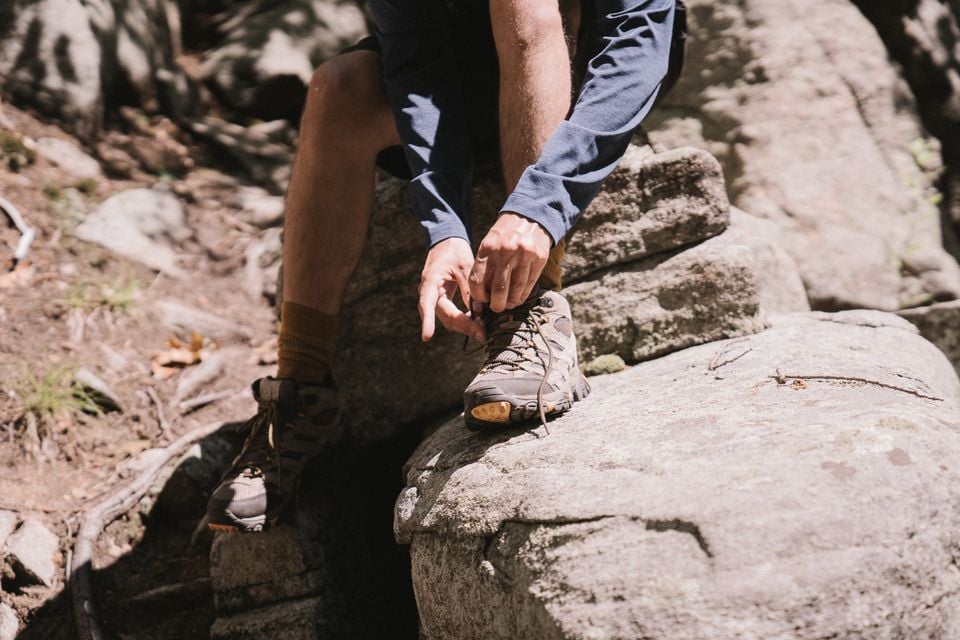
Try on Wide Winter Boots With Your Winter Socks
Fit both boots later in the day, with your usual socks and any prescribed inserts. Fasten them properly, then walk, turn and use a safe incline if one is available.
Your toes should remain free from squeezing. On a descent, they should not be driven into the front. The heel needs enough hold to avoid repeated lifting, without requiring painful tension over the instep.
If you’re ordering from FitVille’s online boot shop, read the return conditions before purchasing. Keep the first trial indoors and check pressure points after wearing both boots for a while.
Do not assume a tight pair will become suitable once the lining compresses. CCOHS advises against buying overly tight footwear in the expectation that it will stretch.
If your toes become numb in the cold, stop and move somewhere warm. CDC guidance identifies numbness, tingling, stinging and pain among early frostbite symptoms. Seek warmth and medical help when cold injury is suspected.
FAQs About Choosing Winter Boots for Wide Feet
Should I go up a size for thick winter socks?
Try the intended socks first. If length is adequate but the boot squeezes across the foot, a wider or higher-volume design may solve the problem more effectively than extra length.
Is fur-style lining proof that a boot is warm?
The appearance of the lining cannot establish overall insulation performance. Check the manufacturer’s specifications, including underfoot construction and intended use.
Why are my socks damp inside waterproof boots?
Perspiration is one possible explanation; water entering through damage or over the collar is another. Dry the boots thoroughly and inspect them before deciding whether the waterproof construction has failed.
Can I use winter boots for hiking?
Choose according to the route. A boot intended for short trips around town may lack the secure fit, traction or walking comfort required for a longer winter trail.
Choose Boots for Your Whole Day
The best wide winter boots fit your actual day, from damp pavement and outdoor waits to warm buildings and the walk back.
Look past the thickest lining and the lowest advertised temperature. Enough room for your feet, appropriate weather protection and a practical drying routine will tell you more about everyday comfort than appearance alone.