How to Create a Stunning Wedding Photo Book That Tells the Story of Your Day
A wedding is a beautiful blend of emotion, tradition, and celebration—one of those rare life moments that deserves to be remembered with care. The photos taken on that day capture everything from quiet glances to joyful laughter, from the intimate preparation to the grand ceremony. But when the digital files remain buried in folders and online galleries, their magic can fade.
A printed album brings a sense of permanence that digital images can’t replicate. It transforms your pictures into a curated story, allowing you to hold your memories in your hands and share them with the people you love. Whether you’re building a book for yourself, your partner, or as a gift for family members, this guide will help you design an album that feels elegant, personal, and timeless.
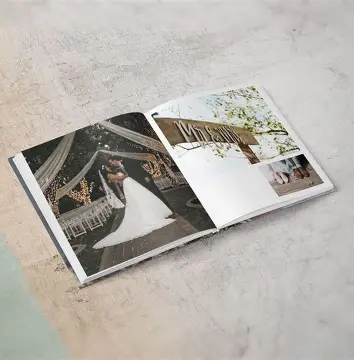
Choosing the Right Photos for Your Story
Creating a thoughtfully designed wedding photo book is one of the most meaningful ways to preserve and relive the memories of such an important occasion.
Before you begin, gather all the images from your photographer, relatives, and friends. The hardest part is narrowing them down to the ones that truly matter. Start by selecting photos that reflect the key emotional beats of the day. Think about the moments you want the album to highlight: the morning excitement, meaningful details of your attire, the ceremony, the reception, the candid interactions, the décor, and the people who celebrated with you.
Avoid choosing too many similar images. Instead of repeating nearly identical shots, choose the one that feels the most expressive. A good wedding album is not a complete archive—it is a carefully curated collection that tells a clear story.
A helpful approach is grouping photos by theme or sequence. For example:
● Getting ready moments
● First look
● Guests arriving
● Ceremony rituals
● Newlywed portraits
● Family and group photos
● Reception highlights
● Dancing and celebration
● Final farewell or evening shots
This structure will make your book feel cohesive and intentional.
Crafting a Narrative That Flows
A beautiful album is more than a set of images. It’s a narrative that carries the viewer from one chapter to another. Try to create an experience that feels natural and engaging.
Begin with anticipation—the atmosphere right before the ceremony starts. Photos of the dress, suit, rings, flowers, or invitations make perfect opening pages, setting the tone for the rest of the book. Follow these with images of getting ready, capturing the emotions of the morning: excitement, nerves, laughter with friends, quiet moments of reflection.
The ceremony should feel like the emotional heart of your wedding photo book. Highlight its most meaningful moments: walking down the aisle, exchanging vows, the ring placement, the first kiss, and your exit as a married couple. Give these moments room to breathe by dedicating full-page images or expansive spreads to the most iconic shots.
As you transition to the reception, shift the mood slightly to reflect the joy and celebration. Include candid pictures of your guests, décor details, speeches, first dances, and the fun on the dance floor. End with a memorable final image—perhaps a nighttime shot, a sparkler exit, or a quiet moment between the two of you—to close the narrative with emotion and elegance.
Choosing the Right Design Style
The style of your album should reflect the aesthetic of your wedding. If your celebration was classic and formal, you may prefer a clean, sophisticated design with minimal embellishments. If your wedding was rustic, whimsical, or modern, you might choose a style that matches that personality.
A minimalist style works well for nearly any wedding because it keeps the focus on the images. Clean layouts, neutral backgrounds, and plenty of white space create a luxurious feel that never goes out of style. On the other hand, if your wedding was full of vibrant colors or unique cultural elements, you can incorporate subtle design touches that echo those themes without overwhelming the photos.
Whatever style you choose, aim for consistency throughout the book. Use a similar color palette, layout structure, and font style from start to finish.
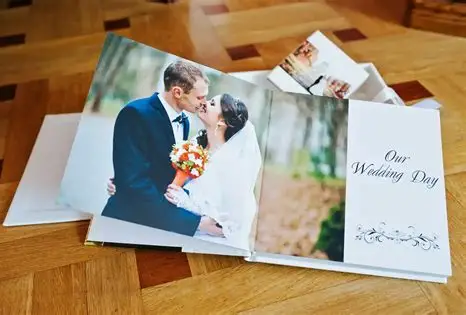
Layout Tips for a Professional Look
Designing a polished wedding album doesn’t require professional training. Following a few simple principles can elevate your book dramatically.
Maintain visual balance. Avoid overcrowding pages with too many images. A mix of large hero shots and smaller supporting photos creates rhythm and interest. A full-page image can capture a powerful moment, while paired images can tell a short story together.
Use white space wisely. White space doesn’t mean empty space—it frames your photos and gives them room to shine. Pages with fewer images often appear more elegant and intentional.
Pay attention to orientation. Pair landscape photos with other landscape photos and portrait shots with portrait layouts. When mixing orientations, use them in a way that looks symmetrical rather than chaotic.
Keep text minimal. A few captions, a meaningful quote, or a short introduction can enrich your wedding photo book, but the images should remain the star. When using text, choose timeless fonts and keep sizes consistent.
Be mindful of color editing. Before uploading your photos, ensure they share consistent tones and brightness. Variations between different cameras or lighting conditions can disrupt the flow of the book. Adjusting exposure, contrast, and temperature can help unify your entire collection.
Highlighting the Details
Details play a major role in wedding storytelling. These are the small touches you planned with care—the bouquet, rings, table settings, cake, invitations, shoes, and décor elements that reflect the theme of the day.
Including detail photos gives your wedding photo book texture and depth. Mix them between the larger emotional shots to add variety. Detail images also work beautifully at the beginning or end of a chapter to transition between sections.
Adding a Personal Touch
What makes a wedding album truly special are the personal elements you weave into it. Consider adding:
● A short message or dedication at the start
● A quote that reflects your relationship
● Lyrics from your first dance song
● A note to your partner on the final page
● A timeline of your wedding day
● A few lines about how you felt at certain moments
These touches transform your photo book from a simple album into a personal keepsake.
How to Ensure Long-Term Enjoyment
Think of your album as an heirloom. Once completed, store it safely away from direct sunlight, extreme temperatures, or humidity. Handle it with clean, dry hands and consider creating multiple copies if you want to share them with parents or close family members.
If you ever redefine your personal style or add new memories, you can create additional volumes—an anniversary book, a honeymoon album, or even a future family photo collection. A wedding photo book can be the first chapter of a visual legacy that grows over time.
-
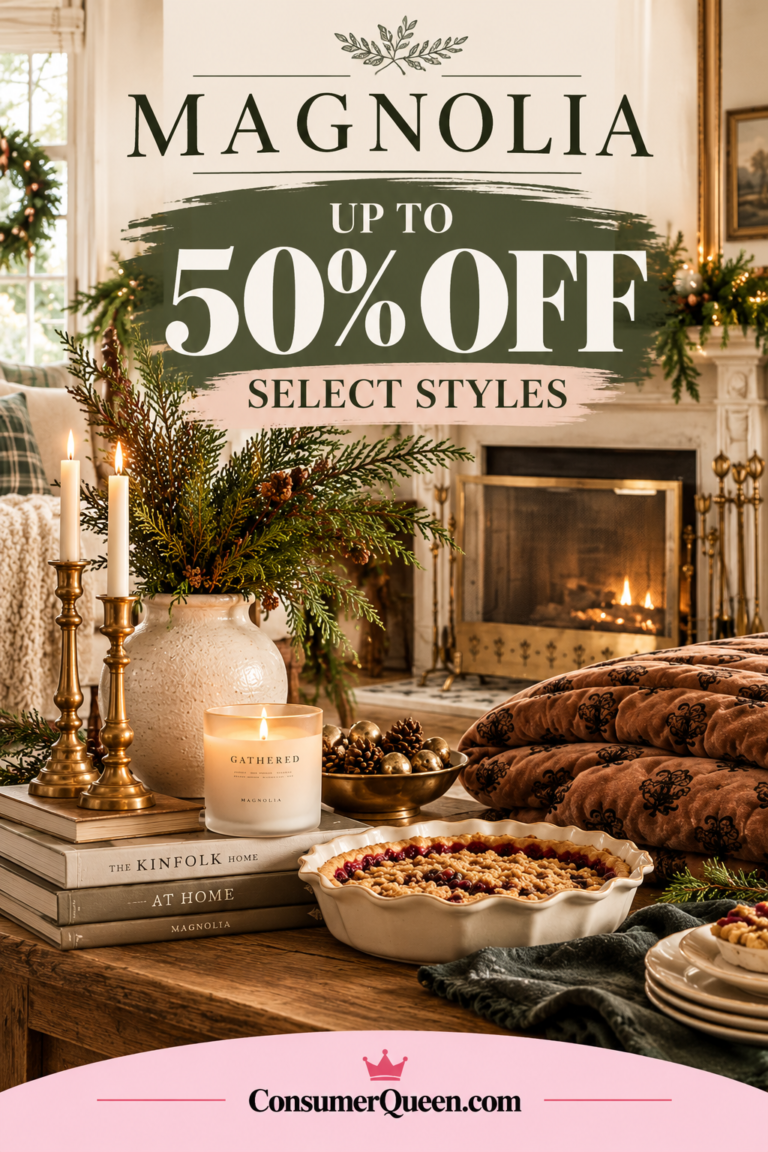
Magnolia Home Sale: Save Up to 50% on Select Styles!
Magnolia is offering up to 50% off select merchandise during a limited-time sale running October 27 through November 2, 2026! It’s a great opportunity to browse timeless home accents, seasonal decorations, and thoughtful gift ideas before the holidays. Whether you’re refreshing your living room or getting ready to host family gatherings, Magnolia’s warm, understated style offers plenty of inspiration. Discounts vary by product, and several categories, including furniture, rugs, lighting, pillows, and throws, are excluded. The promotion ends November 2 at 11:59 p.m. Central Time, so check eligible items before ordering.
-
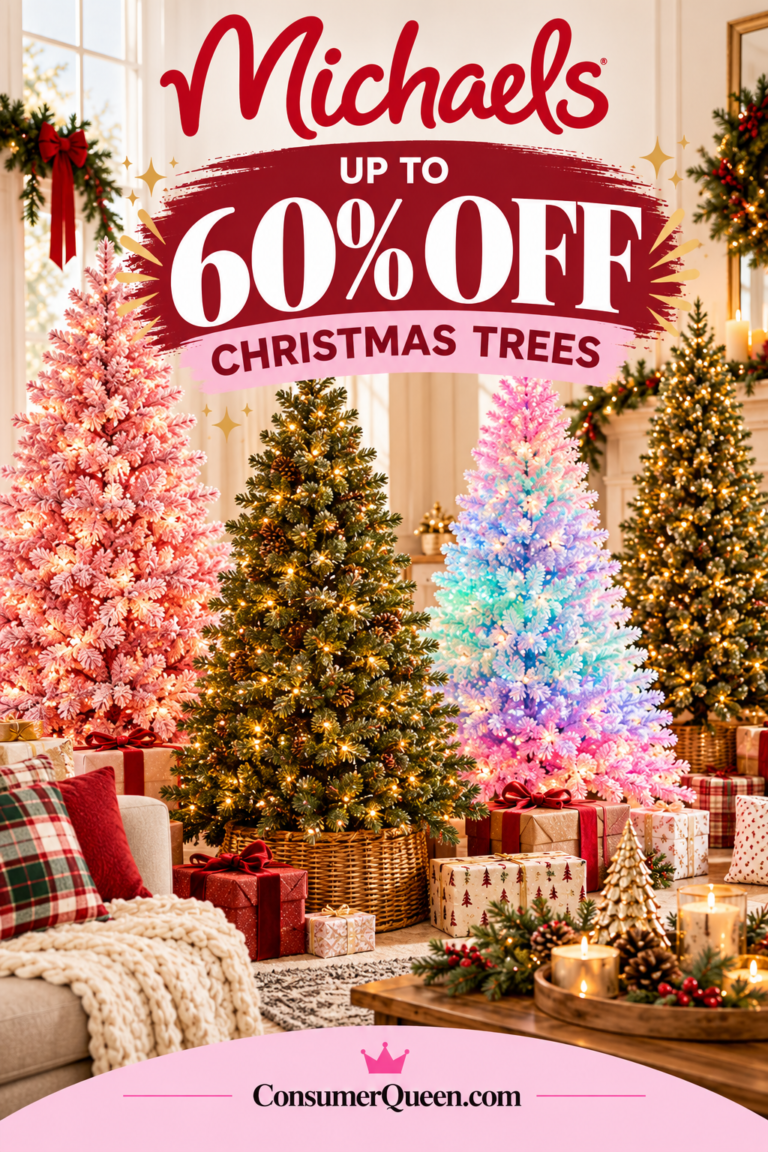
Michaels Christmas Trees: Save Up to 60%!
If you’re ready to start decorating for Christmas, Michaels has a holiday sale worth exploring! Shoppers can save up to 60% on select artificial Christmas trees, including pre-lit, flocked, slim, and full-size styles. Whether you’re looking for a traditional tree for the living room or a smaller option for an apartment or entryway, there are plenty of choices. Some recent listings include a 4-foot pre-lit tree for $29.99 and a 7-foot pencil tree for $69.99. Discounts and availability vary, so check the latest prices and shipping details before ordering.
-
Lane Bryant Flash Sale: 50% Off Plus Extra 10%!
Lane Bryant is celebrating the season with a two-day flash sale! From October 27–28, 2026, shoppers can save 50% on eligible clothing, accessories, sleepwear, and bras, plus take an additional 10% off qualifying styles. That works out to a combined 55% discount on eligible full-price merchandise. It’s a great opportunity to shop for cozy sweaters, jeans, holiday outfits, and everyday essentials. The promotion is online only and ends October 28 at 11:59 p.m. Pacific Time. Exclusions apply, so review the offer details and final prices before checking out.
-
4 Cost Segregation Firms Real Estate Investors Can Compare in 2026
Sponsored post: Comparing cost segregation firms Image Credit: Unsplash Depreciation timing is one of the few tax levers a property owner controls directly. Your provider affects both the deduction size and how fast you can use it. Cost segregation firms range from boutique specialists to national consulting groups. Larger groups may bundle studies with R&D…
-
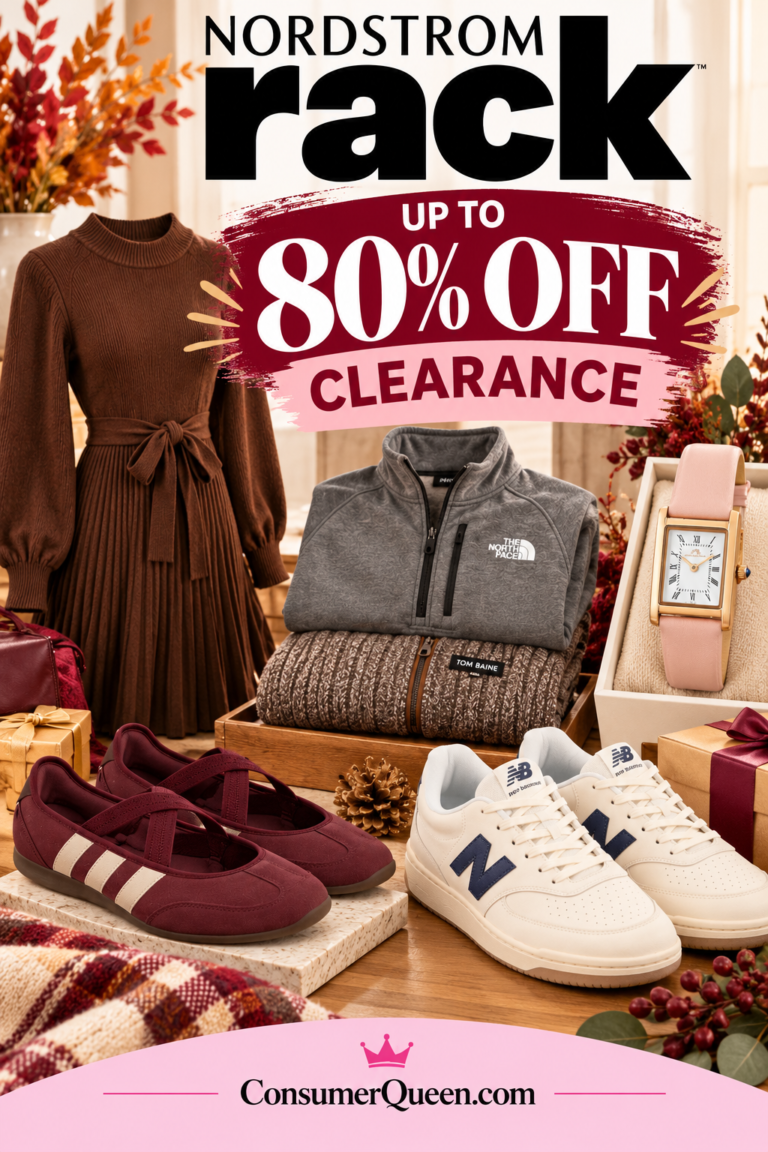
Nordstrom Rack Clearance: Save Up to 80% on Top Brands!
Nordstrom Rack has some fantastic clearance deals for shoppers looking to save on name-brand fashion! Select merchandise is marked down by as much as 80%, including clothing, shoes, handbags, accessories, and home essentials. Look for discounted styles from popular brands such as Kate Spade, Marc Jacobs, Madewell, and Spanx. With Christmas shopping around the corner, this is also a great opportunity to find gifts without spending full price. Clearance inventory changes frequently, and popular sizes can sell out quickly. Browse the latest markdowns and check individual product prices before ordering.
-
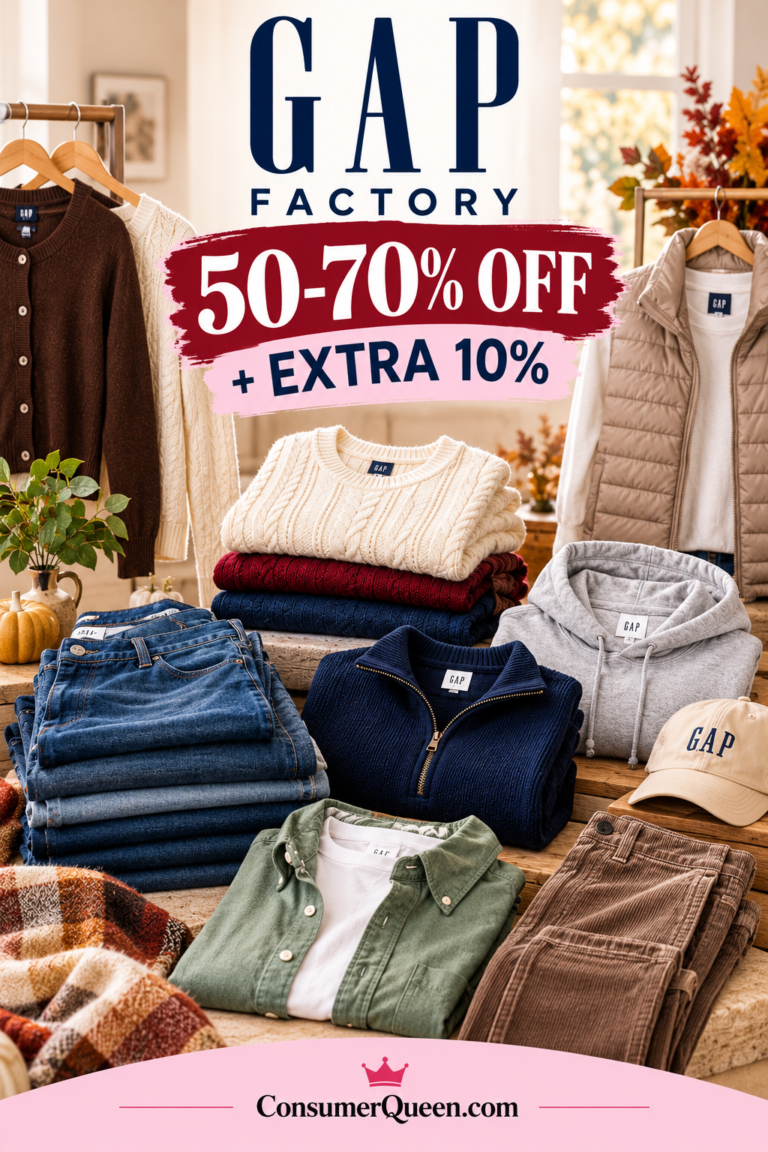
Gap Factory Clothing Deals: 50–70% Off + Extra 10%!
Gap Factory has some exciting clothing deals for fall and winter! Shoppers can find 50–70% off sitewide, plus an additional 10% off eligible purchases. The retailer is also advertising 60% off cozy essentials and an extra 55% off select clearance merchandise. It’s a great opportunity to shop for sweaters, jeans, jackets, comfortable basics, and clothing for the whole family. You can even get a head start on Christmas gifts! Discounts may be applied at checkout, and exclusions apply. Check the available styles and final prices before placing your order.